The Complete MTG Sealed Guide: How to Build a Winning Deck from 6 Packs
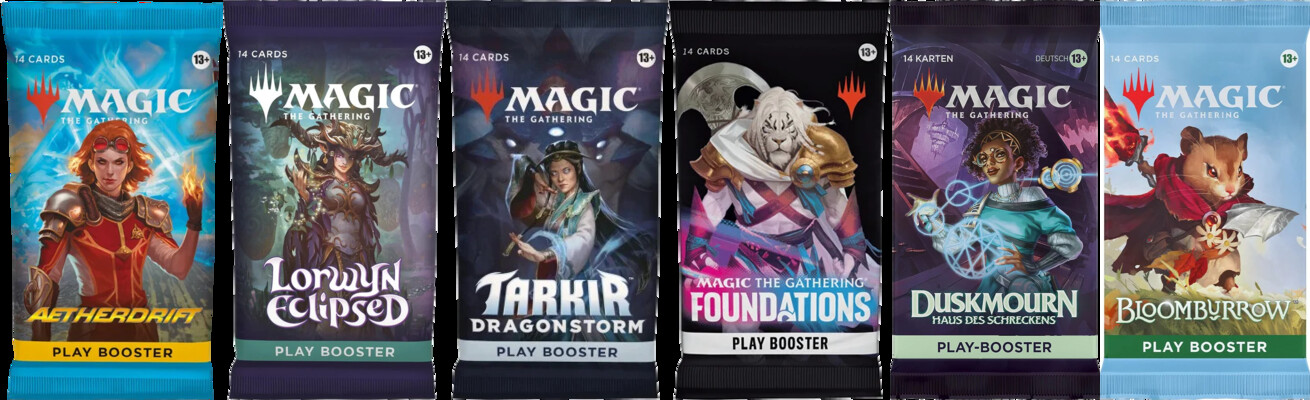
Sealed is one of the purest tests of Magic: The Gathering skill. You open 6 booster packs, and with those cards — plus any basic lands you need — you build a 40-card deck on the spot. No preparation, no netdecking, no expensive collection required. It's the format of prerelease events, many competitive qualifiers, and one of the best ways to experience a new set for the first time. Whether you're heading to your first prerelease or looking to improve your Sealed results, this guide covers everything you need to know.
How Sealed Works
The rules are simple:
- You receive 6 booster packs (usually Play Boosters for current sets)
- Open all 6 packs — these ~84 cards are your card pool
- Build a minimum 40-card deck using any combination of your pool cards plus unlimited basic lands
- Your remaining cards become your sideboard — you can swap them in between games
That's it. No trading cards with other players, no picking from shared packs. Just you and whatever the packs give you.
Step 1: Sort Your Pool
The moment you open your packs, resist the urge to start building immediately. Instead, sort everything methodically:
- Separate by color — make 6 piles: White, Blue, Black, Red, Green, and Multicolor/Colorless/Lands
- Within each color, separate creatures from non-creatures
- Arrange by mana cost — left to right, cheapest to most expensive
This 2-minute process gives you a visual map of your entire pool. You can instantly see which colors have depth, where your curve is strong, and which colors are shallow. Don't skip this step — professional players do it every single time.
Step 2: The Bomb Check
Now scan your pool for bombs — cards so powerful they can win the game on their own if unanswered. These are usually rares and mythic rares with high impact: big flyers, planeswalkers, cards that generate overwhelming advantage. Your bombs often dictate which colors you should play.
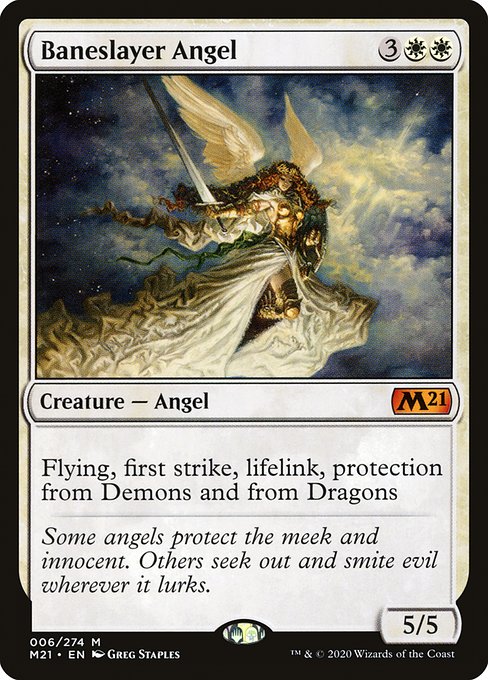
But here's the nuance: a bomb in a shallow color isn't always worth playing. If white has one amazing rare but only 7 other playable cards, you might be better off in a color with 14 solid playables and no bombs. Depth beats individual card quality in Sealed.
Step 3: Choose Your Colors
Most Sealed decks play exactly 2 colors, sometimes splashing a third. Here's how to decide:
- Count playable cards per color. You need about 23 non-land cards. If two colors combine for 23+ playables with a good curve, you're set.
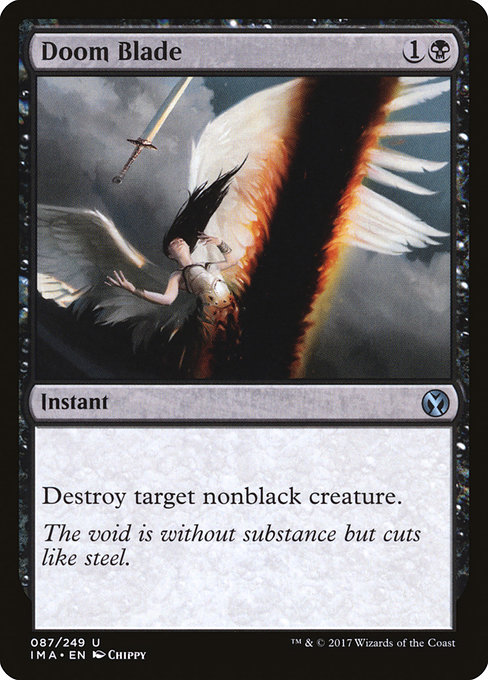
- Prioritize removal. The color with the best removal spells gets a big bonus. Removal is even more important in Sealed than Draft because bombs are more prevalent.
- Check your curve per color. A color with 10 playables but all costing 4+ mana is worse than one with 10 spread across 2-5 mana.
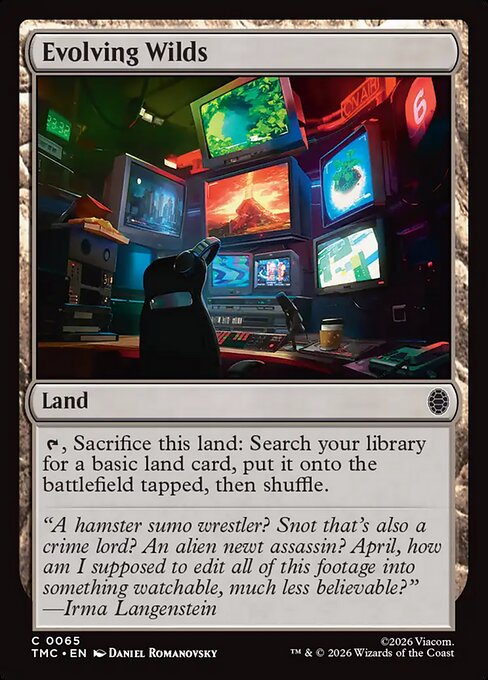
- Consider mana fixing. If you opened dual lands, mana rocks, or cards like Evolving Wilds, a third-color splash becomes much more viable.
The 40-Card Rule
Never play more than 40 cards. This is the single most important deck building rule in Limited. Every card above 40 reduces your probability of drawing your best cards. If your deck has 3 amazing bombs and you play 40 cards, you'll see a bomb roughly every 13 cards drawn. Play 50 cards and that drops to every 17 cards. More cards = more dilution = weaker draws.
Creature Count and Mana Curve
A solid Sealed deck typically contains:
- 14–17 creatures
- 6–9 non-creature spells (removal, combat tricks, card draw)
- 17 lands
Sealed is generally slower than Draft, so you can afford a slightly higher curve. Where a Draft deck might cap at 2-3 five-mana cards, a Sealed deck can support 3-4 expensive finishers. But you still need early plays — at least 4-5 two-mana creatures to avoid getting run over by aggressive decks.

Ideal curve for Sealed:
- 2 mana: 4-5 creatures
- 3 mana: 4-5 creatures/spells
- 4 mana: 3-4 cards
- 5+ mana: 3-4 cards (your finishers and bombs)
Building Your Mana Base
Lands are the most underrated part of Sealed deck building. Get them wrong and your best cards will rot in your hand.
Two-color deck (17 lands): Split your lands 9/8 in favor of the color you have more cards in, or the color with more early plays. If your deck is 13 white cards and 10 black cards, play 9 Plains and 8 Swamps.
Splash a third color (17-18 lands): Only splash for bombs or premium removal — never for mediocre cards. You need at least 2-3 sources of the splash color: a dual land plus 2 basics, or Evolving Wilds plus 1-2 basics. Play 18 lands if you're splashing.
Sealed vs. Draft: Key Differences
Understanding how Sealed differs from Draft helps you adjust your strategy:
- Bombs matter more: In Draft, you might never see a bomb. In Sealed, most pools have 1-3 powerful rares. Games are often decided by who lands their bomb first.
- Removal is king: Because bombs are more common, answers to bombs are more critical. Prioritize unconditional removal.
- Synergy matters less: In Draft, you build around archetypes. In Sealed, you play your best cards regardless of synergy. Raw card quality wins over clever combos.
- Games go longer: Without drafted curves, both players stumble more. This means expensive cards, card advantage, and evasion matter more than in Draft.
- Mana is worse: You can't draft fixing. Your mana base will be less consistent, which is why sticking to 2 colors is so important.
Common Sealed Mistakes
- Playing 3+ colors without fixing: Splashing is fine with mana support. Playing 3 full colors with only basic lands is a disaster — you'll lose games where you can't cast your spells.
- Not enough creatures: Spells are tempting, but you need bodies to win. Below 13 creatures, you'll struggle to present a board presence.
- Forcing a rare that doesn't fit: That mythic is impressive, but if you need to play 3 bad cards to include it, your deck gets worse overall.
- Ignoring your mana base: Players spend 20 minutes picking spells and 10 seconds on lands. Take time to calculate your color requirements.
- Keeping bad opening hands: Mulligan aggressively if your hand can't do anything until turn 4. A 6-card hand with action beats a 7-card hand that doesn't play Magic.
- Playing more than 40 cards: "But I can't cut anything!" You can and you must. Find the weakest card and cut it. Repeat until you hit 40.
The Secret Weapon: Sideboarding
Here's something many Sealed players forget: your entire card pool is your sideboard. Between games, you can:
- Swap in targeted answers (enchantment removal, artifact hate)
- Adjust your curve (bring in cheap blockers vs aggro, add finishers vs control)
- Even completely change your colors if you identified a better configuration after seeing your opponent's strategy
Pay attention to your opponent's deck during Game 1. If they're playing slow grindy control, you might sideboard into a more aggressive configuration. If they have tons of flyers, bring in your reach creatures and anti-flying cards.
Practice Before Your Next Prerelease
The best way to get comfortable with Sealed is to practice the deck-building process. Use our free Sealed Deck Builder to open 6 virtual packs from 30 different sets, build your deck, and even get AI-powered synergy analysis to improve your builds. Pair it with our Draft Tier Lists to learn which cards to prioritize in each set.
Remember: Sealed rewards preparation and card evaluation more than any other format. The player who sorts their pool carefully, builds a consistent mana base, and knows when to mulligan will consistently outperform the player who just jams their rarest cards together. Good luck at your next prerelease!