What Is a Cube Draft? A Complete Guide to Building Your Own MTG Cube
If you have ever sat down for a booster draft and thought, "I wish every pack had nothing but great cards," then Cube is exactly what you have been looking for. A Cube is one of the most beloved formats in all of Magic: The Gathering — a hand-curated collection of cards that you draft with your friends, producing games full of powerful plays, interesting decisions, and a level of replayability that retail limited simply cannot match. Here is everything you need to know about what a Cube is and how to build one yourself.
What Is a Cube?
At its core, a Cube is a custom card pool assembled by a single designer — you — for the purpose of playing limited formats like Draft and Sealed. Instead of opening booster packs bought from a store, players draw from your Cube to simulate packs, pick cards one at a time in a standard booster draft rotation, and then build 40-card decks from their picks. Every card in the Cube is a card you chose. No bulk commons padding out the pool, no filler rares you will never use.
The concept grew out of a simple idea: what if limited Magic only contained the best, most interesting cards in the game? Cube draft rewards deep knowledge of card interactions, strategic flexibility, and deckbuilding skill in a way that retail drafts rarely do because the power floor is so much higher. A strong Cube means every pack you open has real decisions.
Types of Cubes
There is no single "correct" Cube. The format is deliberately open-ended, and different designers build very different environments:
- Powered Cube — Includes the most powerful cards in Magic's history, up to and including the Power Nine (Black Lotus, Ancestral Recall, Time Walk, and the five Moxen). These cubes produce explosive, high-variance games where turn-one plays can be game-defining.
- Unpowered Cube — Excludes the Power Nine and other extremely broken cards, focusing on powerful but fair gameplay. Most first-time Cube builders start here.
- Themed or Set Cube — Built around a single plane, block, or era. An Innistrad Cube uses only cards from Innistrad sets; a 1990s Cube uses only cards printed in that decade. These are great creative projects for players who love a specific part of Magic's history.
- Modern/Pioneer/Legacy Cube — Uses the card pool of a specific Constructed format, making the Cube function like a powered-up version of that format's draft experience.

How to Build Your First Cube: Step by Step
Step 1 — Choose a Size
The standard starting size for a Cube is 360 cards. At 360 cards, you can support exactly eight players drafting three 15-card packs each — every single card gets drafted. This is the most common size and the one most guides recommend for a first Cube. Larger Cubes (450, 540, 720+) give more variety per draft but mean some cards will not be seen in every session.
Step 2 — Decide Your Power Level
Before you pick a single card, decide the kind of experience you want. A powered Cube with Black Lotus and Ancestral Recall will feel very different from an unpowered Cube built around cards from the last five years of Standard. There is no wrong answer, but consistency matters — if half your Cube is Legacy-powered and half is budget-friendly commons, the draft experience will feel unbalanced.
Step 3 — Build a Color-Balanced Skeleton
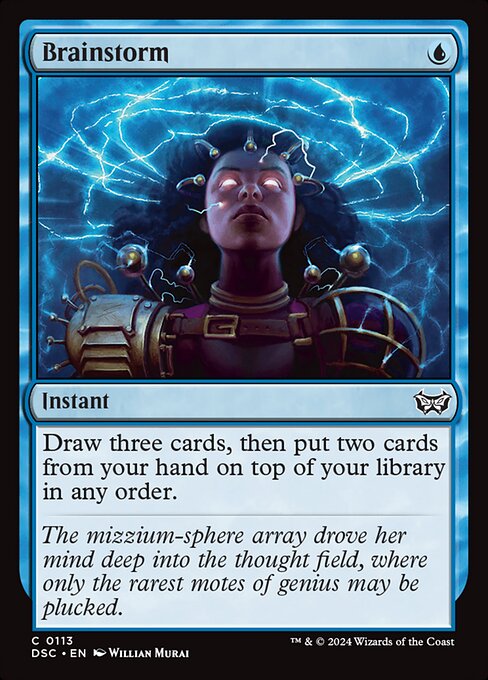
A 360-card Cube typically breaks down as follows: roughly 50–55 cards per color (White, Blue, Black, Red, Green), plus a multicolor section of around 40–50 cards and an artifact/land section of 30–40 cards. Within each color, aim for a mix of creatures, removal, card draw, and utility spells. A color that has great creatures but no removal will feel bad to draft; a color with only reactive spells will feel passive and unexciting to play.
Step 4 — Design for Archetypes
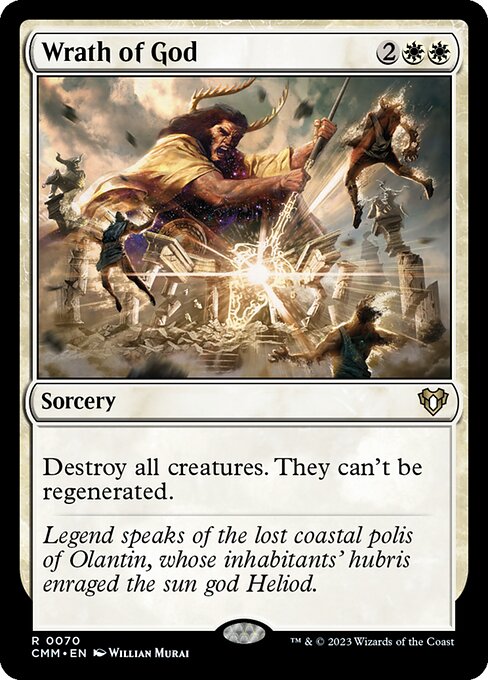
The best Cubes support multiple viable draft archetypes — clusters of synergistic strategies that reward players for drafting cohesively. Common Cube archetypes include Aggro (fast creatures and cheap removal), Control (wraths and card advantage), Ramp (mana acceleration into big threats), Reanimator (put fatties in the graveyard, bring them back), and Tempo (cheap threats backed by counterspells). When evaluating a card for your Cube, always ask: "Which archetype does this serve?"
Step 5 — Iterate and Playtest
Your first Cube will not be perfect, and that is fine. After each draft session, ask your players what felt too powerful, too weak, or uninteresting. Add a card, remove a card, swap a card. Cube design is an ongoing creative project, not a one-time build. Many veteran Cube designers have been tuning the same list for years, and that ongoing refinement is part of what makes the format so engaging for its creators.
Useful Tools for Cube Builders
- CubeCobra — The most popular platform for managing and sharing Cube lists online. Tracks your card list, lets you run virtual drafts, and has a huge community of public Cubes to browse for inspiration.
- Scryfall — Use advanced search syntax to find cards by type, cost, color, and set. Indispensable when building or updating a Cube.
- MTG Arena Cube events — Wizards regularly runs Cube events on MTG Arena, including a Powered Cube with digital versions of iconic cards. A great way to experience Cube without owning the physical cards.
Is Cube Right for You?
Cube is the ideal format if you love drafting but find retail limited too inconsistent or too dependent on opening the right rares. It is also fantastic if you have a regular playgroup — once you own the cards, every session costs nothing. The buy-in can be high if you are building a Powered Cube, but an unpowered or themed Cube can be assembled for a very reasonable budget using cards you already own from years of playing.
Start simple, draft it with friends, and iterate. That is the beauty of Cube: the format is entirely yours.